-
- Click HERE to View a Map of Stations
- BELOW for A - Z list by Station Name
- Bass Point > Gwennap Head
- Bass Point (SW South Coast)
- Boscastle (SW North Coast)
- Caister (East Anglia)
- Calshot Tower (South East)
- Cape Cornwall (SW North Coast)
- Charlestown (SW South Coast)
- Exmouth (SW South Coast)
- Felixstowe (East Anglia)
- Folkestone (South East)
- Fort Perch Rock (North West)
- Froward Point (SW South Coast)
- Gorleston (East Anglia)
- Gosport (South East)
- Gwennap Head (SW South Coast)
- Herne Bay > Portland Bill
- Herne Bay (South East)
- Holehaven (East Anglia)
- Lee on the Solent (South East)
- Lyme Bay (SW South Coast)
- Mablethorpe (East Coast)
- Mundesley (East Anglia)
- Nare Point (SW South Coast)
- Nells Point (Wales)
- Newhaven (South East)
- Penzance (SW South Coast)
- Peveril Point (SW South Coast)
- Polruan (SW South Coast)
- Porthdinllaen (Wales)
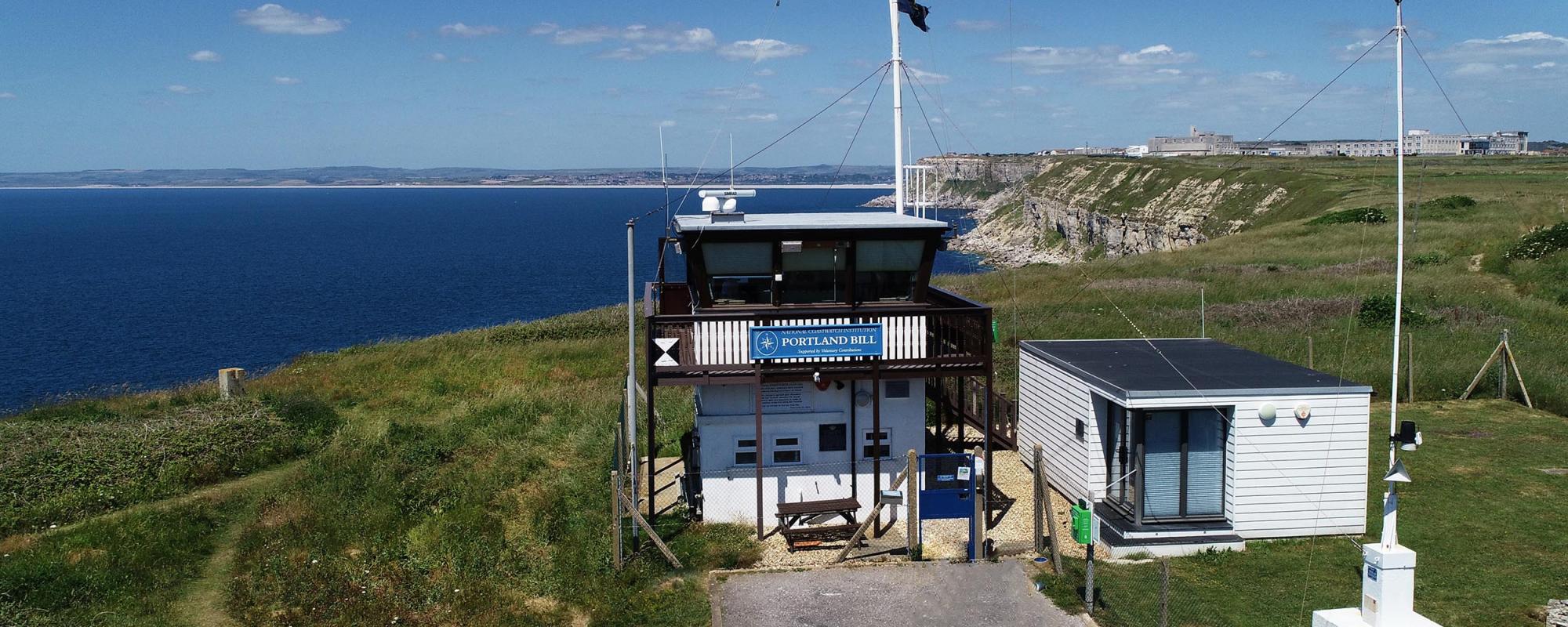
- Portland Bill (SW South Coast)
- Portscatho > Southend
- Portscatho (SW South Coast)
- Prawle Point (SW South Coast)
- Pwllheli (Wales)
- Rame Head (SW South Coast)
- Rossall Point (North West)
- St Agnes (SW South Coast)
- St Albans Head (SW South Coast)
- St Ives (SW North Coast)
- Scilly (SW South Coast)
- Shoreham (South East)
- Skegness (East Coast)
- Southend (East Anglia)
- St Agnes Head > Worms Head
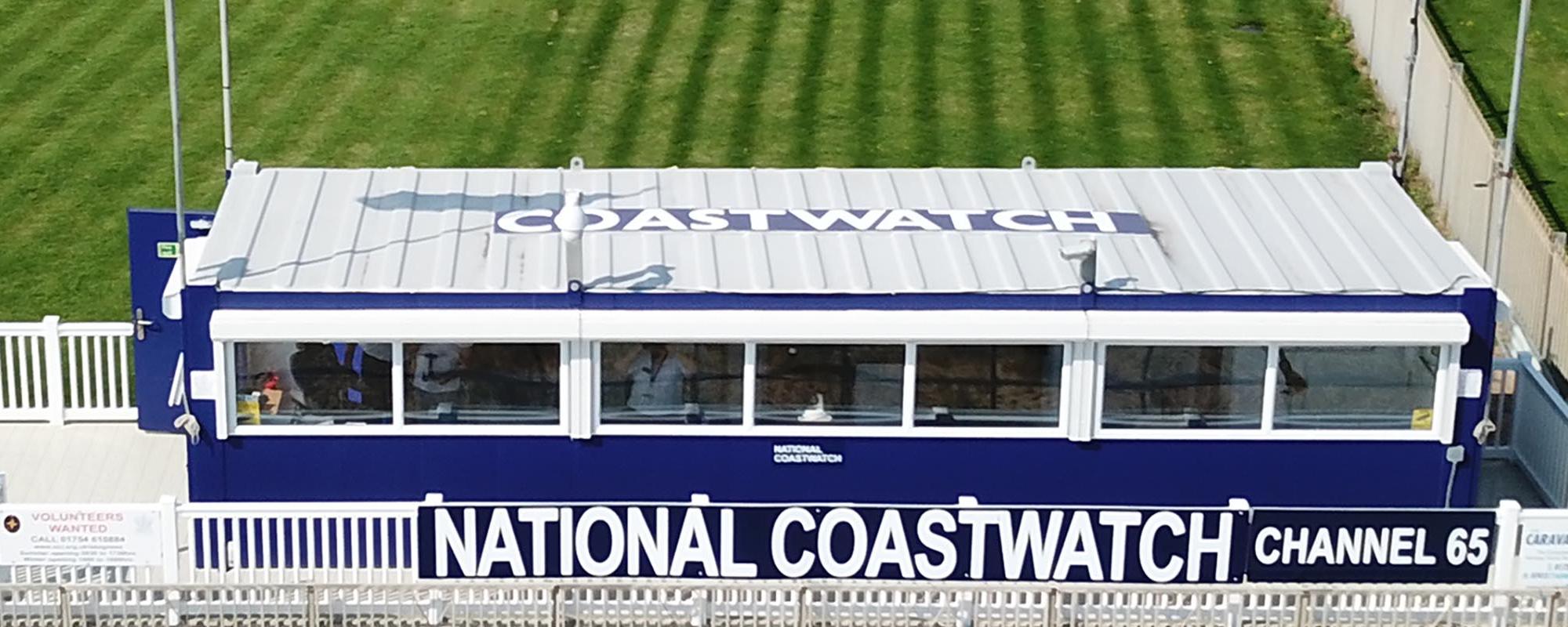
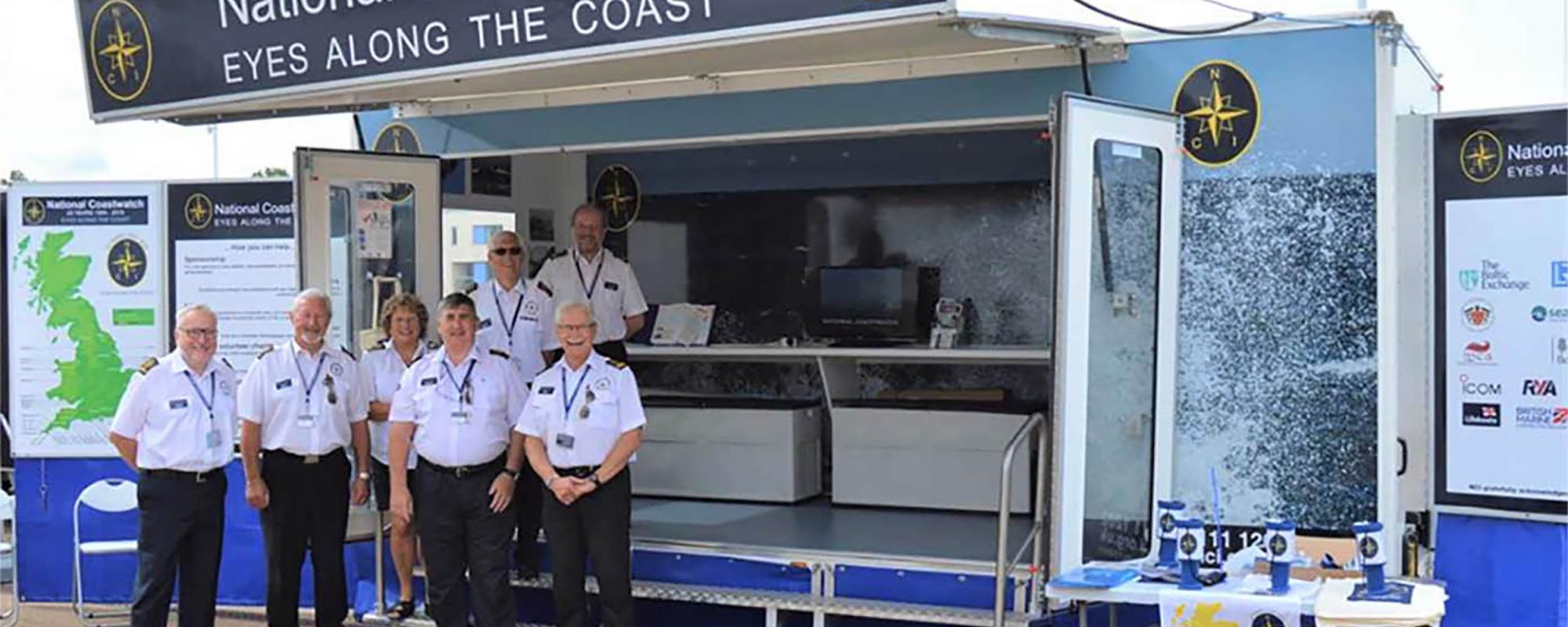
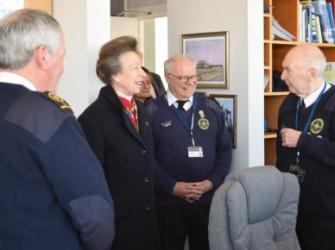
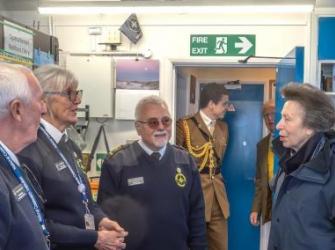
The National Coastwatch Institution (NCI) is an entirely voluntary organisation keeping a visual watch along UK shores.
Each station assists in the protection and preservation of life at sea and around the UK coastline.
Currently 46 NCI stations are operational and manned by over 1900 volunteers keeping watch around the British Isles from RossallĀ Point in the North West, through Wales, to Wearside in the North East.
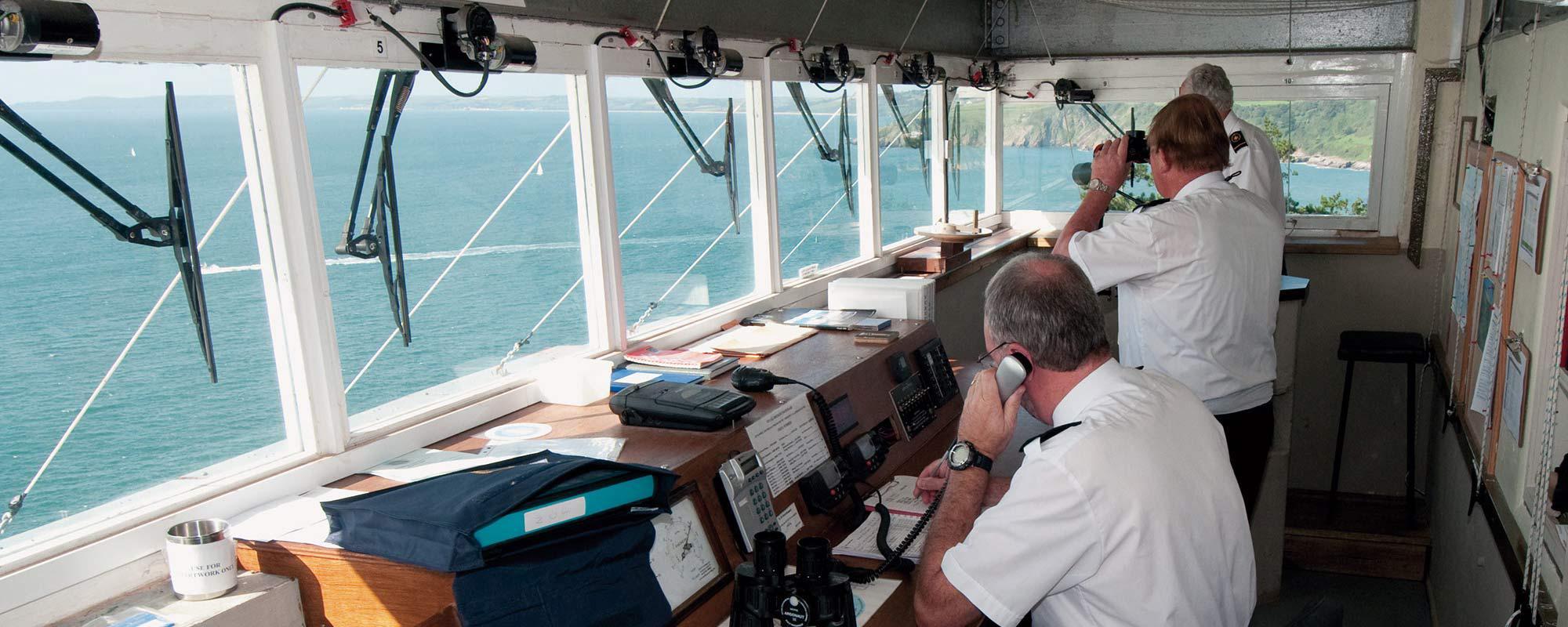
Whilst high technology and sophisticated systems are aids to improved safety, a computer cannot spot a distress flare, an overturned boat or a yachtsman or fisherman in trouble. Other vulnerable activities like diving, wind surfing and canoeing are made safer with visual surveillance.
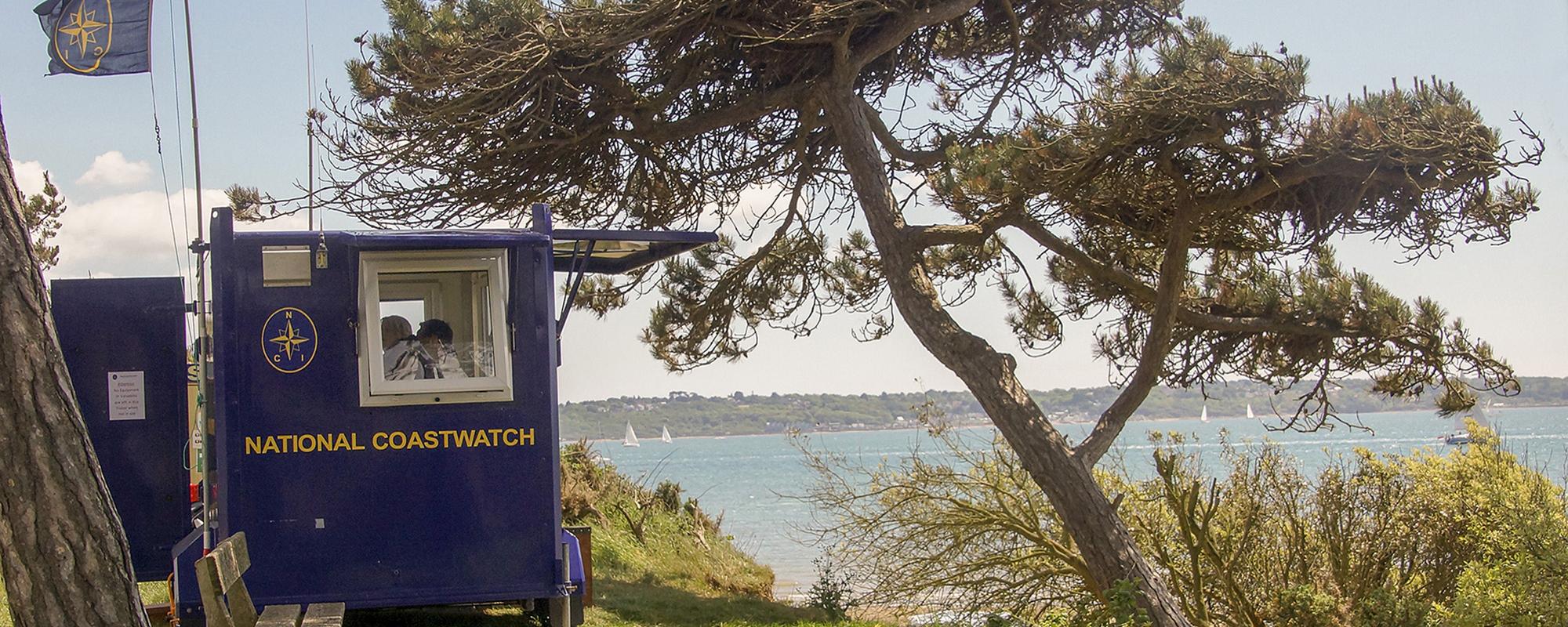
NCI watchkeepers provide the eyes and ears along the coast, monitoring radio channels and providing a listening watch in poor visibility. They are trained to deal with emergencies, offering a variety of skills and experience and full training by the NCI ensures that high standards are met.
Over 190,000 hours of organised coastal surveillance were completed in 2010 alone, all at no cost to the public. Funding is managed by a Board of Trustees with a constitution agreed by the Charity Commission and relies heavily on local support.